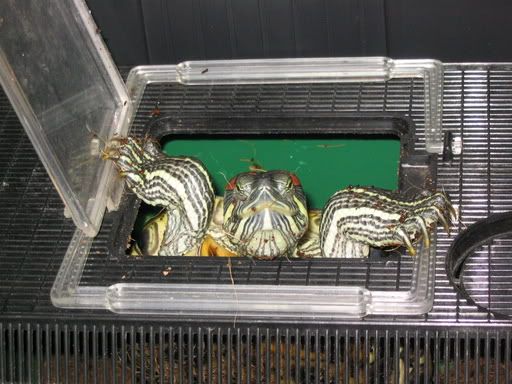
Friday, March 27, 2009

Pet Turtle Care : Common Pet Turtles

Pet Turtle Care

When it comes to pet turtles it may seem they are all pretty much the same thing. In fact, turtles are quite differentiated and each breed and type of pet turtle has its own unique features, habits and requirements. Some of the most distinctive differences across types are the colors and markings on their shells.

Land based turtles have different kinds of shells than do sea turtles or water based turtles like terrapins. Water based turtles tend to have lighter color shells, less distinctive markings and softer shells as well than the land based turtles.

The most popular pet turtles include the box turtle and the slider turtle varieties. The most common breeds of turtles, such as the yellow bellied turtles, slider turtles, mud turtles and box turtles, all have distinctive colorings and markings and an average life expectancy of about fifty years.

Some have a little bit less or more, but a fair number have been known to outlive their owners. This is, therefore, something to be considered when looking for a turtle pet. You have to be willing to commit to providing for your pet turtle for a long time.

Box turtles are one of the most common types of turtles and are commonly known for their dome shaped shells. They can live on a diet of fresh vegetables like fresh leafy greens but also enjoy other foods like snails, insects, fungi, berries, slugs, roots, worms and flowers.

During certain times of the season males will contend for the affections of a single female so if you're planning to own more than one pet turtle of differing genders you will have to think about that.

Mud turtles are a common breed of aquatic turtles and there are certain species of mud turtles that are normally kept as household pets. These require, similarly to the red-eared slider and the painted turtle, both a wet environment and dry environment to live in.

Other common types of pet turtles include the yellow bellied turtles which also have a long life expectancy and thrive on fresh leafy greens as a major part of their diet.

Regardless of what kind of turtle you get as a pet, you will need to provide for fresh food and water as well a comfortable, climate-controlled environment for them.

Liked this article? Read more at: Common Pet Turtles


Pet Turtle Care : How to Create Pet Turtle Habitats at Home

Pet Turtle Care

Turtles are just like any other pet animal; they will warrant a certain degree of commitment for an individual to be able to effectively take care of them. And just like other pets, it's important to set up proper pet turtle habitats before you go about acquiring your first turtles to take care of. Designing a place for your turtles to live in is not as simple as you may think it is. For the most part, you will need to create a space that is pretty much like the natural pet turtle habitats that the reptile thrives in.

Species differences Before you go about designing and setting up your pet turtle habitats, it's important to note that different species will require different environments. For instance, there are certain turtles that can live in fresh water and there are those that require some sort of muddy environment. Pet turtle habitats tend to vary and the idea is to consider specific space requirements as well as the area of your home that you have allotted for your pet.

For some enthusiasts, it's better to run a research first on your options and consider your own living space before acquiring a specific type of turtle. It's better if you get a pet that will easily adjust with the type of home that you have. For instance, if you don't have a lot of backyard space, you will logically have to set up pet turtle habitats indoors. This will mean getting turtles that will do just fine without much sunlight. Accessories While the best place to keep pet turtle habitats is still outdoors where they can get enough warmth from the sun and conveniently hibernate during the winter season, some people opt to keep their pets indoors for a lot of reasons. This is perfectly fine so long as you make sure that the pet turtle habitats come equipped with such accessories as UV lamps that can provide the same heat that the sun offers.

Since turtles normally live on both land and water, it's important that the tank of your pet turtle habitats come with a dry space where your pets can easily take a break from being in the water for too long. You will also need to install filters that should be regularly cleaned to keep your pets from developing fungus on their shells which can be difficult to treat. A slanted design for the tank is common among pet turtle habitats and you can easily buy these enclosures in specialized pet stores. Alternatively, you can also have the tank custom-made although this will probably cost more. Serious turtle lovers usually have pet turtle habitats specifically designed to suit their needs. For beginners, you can probably start with a smaller tank and work your way up as you go along. Keeping it natural You will want to keep your pet turtle habitats as natural-looking as possible so that it doesn't take much for your pet to adjust to the new home.

For great turtle care advice, turtle food recommendation or turtle health issues visit us at... http://www.petturtlecare.net/

Article Source: http://EzineArticles.com/?expert=Steven_Magill

Pet Turtle Care : The Differences Between Pet Turtles and Sea Turtles

Pet Turtle Care

Have you always been interested in knowing more about having a pet turtle, or wondered what the difference between an average pet turtle and a sea turtle is?

Sea turtles are found in the ocean and there are actually seven different kinds of them. These are:

Flatback
Green
Hawksbill
Kemp's Ridley
Leatherback
Loggerhead
Olive Ridley

Sea turtles are known to have a life expectancy of up to a hundred years, which is longer than that of most other species of turtle. Because sea turtles have been hunted by humans all over the globe, many of them are now an 'endangered species'; a special breed of animal protected by law to live freely in the oceans.

Pet turtles can include certain varieties of semi-aquatic or even freshwater turtles but generally the most common pets are those that live in a mixed environment. Some of the most common breeds of pet turtles include the red-eared slider, the box turtle and the Russian tortoise.

Each of these breeds requires different habitats and care, and each requires their own specific diet and environmental needs. When deciding what kind of pet turtle would be the ideal choice for you, you should research the different kinds and figure out which one best matches the kind of care and the type of conditions that you are willing to provide for it.

Most pet turtle diet consists of fresh fruit and vegetables or just fresh vegetables. Whichever type of pet turtle you choose, you should be aware that they have a long life expectancy and will require a lot of care from you.

Although pet turtles do not need to be trained like other pets that you may have, they do require the right surroundings, plenty of fresh water and a lot of attention to them - to make sure that you detect any changes in their behavior or appearance which can help to catch certain diseases and illnesses early on.

To find out more about keeping pet turtles please visit: Pet Turtles

Article Source: http://EzineArticles.com/?expert=Paul_Bryan

Pet Turtle Care : Providing the Perfect Turtle and Terrapin Care

Pet Turtle Care

When it comes to caring for your pet turtle or pet terrapin there are a few basic things that you should know in order to make sure that you are providing your pet with the most quality care and to ensure that you will have your pet turtle or pet terrapin around to lead a happy and healthy life with you.

First, you should know all about the exact type and breed of the pet turtle that you have. Keeping turtles in your home requires special attention to dietary and living needs that are dependent on the breed of the turtle or terrapin.

Turtle care involves knowing whether your pet turtle or terrapin is a boy or a girl and if they prefer to live together in groups or alone. Some kinds of pet turtles prefer to live in groups of similar turtles, but usually they all should be about the same size and it is generally not a good idea to have some larger ones and some smaller ones.

One of the best ways to detect the sex of your pet turtle early on before they reach sexual maturity is by the length of the claws. Males tend to have much longer claws than females and it is typically noticeable.

Another basic care necessity of pet turtles and terrapins is diet. Most turtles prefer and need a variety of fresh foods that include dark, leafy greens. There are certain kinds of pet turtles that do prefer to eat worms, snails and other greens as well. All turtles need to have enough vitamins and minerals in order to retain health and these can be found in supplements that can be added to their diet and regular feedings once or twice a week.

You may also want to make sure that your pet turtle gets enough calcium in their diet so you can add a calcium block in your turtle's habitat for it to snack on.

You also need to provide the right kind of environment for your pet turtle, which can include providing both a dry habitat and a wet habitat if you have any kind of semi-aquatic turtle. The right temperature and lighting is also very important to the well being and health of your turtle. Keep the habitats of your pet turtles very clean and make sure that you are giving your pet turtles enough attention.

If you would like to know more about providing better care for your turtle please visit: Providing Perfect Turtle Care

Article Source: http://EzineArticles.com/?expert=Paul_Bryan

Pet Turtle Care : Naming a Pet Turtle

Pet Turtle Car

If you are looking for a name for your pet turtle then select the name that suits it most. This means, the meaning of the name should be appropriate for the nature, behavior and character of your adored turtle.

Pets are normally considered as children. As the naming of your child is important, it's equally important to name your pet turtle. When you give a name to your turtle it shows your concern and attachment towards it. A special name gives it a special identity and makes it a part of your family. Your pet turtle's unique feature reflects in its unique name. So, the name should distinguish it from other turtles. You must give it a unique, caring and lovely name.

The names of the turtles are divided according to their gender. Some names are for male turtles while some are most suitable for female turtles. However, there are some other names too, which are neutral i.e. common name for both male and female turtle. If you are interested in unusual names, you can go for the foreign names, e.g., African name.

As there are many stories on turtle playing different characters around the globe, you can choose your pet turtle's name from these popular turtle characters. Here are a few famous turtle characters:

1. Cecil: It's a famous story of race between turtle and bugs.
2. Touché: It's a famous story screened in 1962 as New Hanna Barbera Show.
3. Tooter: It's a story of a turtle happening in the prehistoric times to the moon.
4. Yertle: It's a story of a turtle king.
5. Churchy Femme: It's all about a character of Pogo comic strip of 1940's.
6. Aford: it's a main character of a famous comic strip.
7. Filburt: It's a part of cartoon "Rocko's Modern Life".

You can also select from these beautiful names:

1. Theophila (Loved by God)
2. Tamiko (A Princess)
3. Amandine (Latin-She must be loved)
4. Vania (God's Gracious Gift)
5. Treadway (male name-Strong Warrior)
6. Ajani (Victorious)
7. Nafisa (It has no meaning but it's the most popular African name)
8. Amiri (Prince)
9. Jaida (Female name-The gemstone Jade)
10. Cyre (Female name-Moon)
11. Mona (female- gathered from the seed of jimson weed)
12. Nadine (Russian-Hope)
13. Temira (Hebrew-Tall)
14. Coy (English-quiet person)
15. Charmelina (Mystery & magic)
16. Vinaashak (Destroyer)
17. Tahoma (Cute personality)
18. Egesa (Male name-Terror)
19. Yammish (Female-Proper)
20. Kyra (Greek-Enthroned)

Also, you can find from a plethora of turtle pet names:

· Googles
· Pluto
· Pogo
· Fuogo
· Terri
· Muchies
· Ozzy
· Atrus
· Razzle
· Pixy
· Sheldon
· Chiriko
· Crush
· Turby
· Rupal
· Armon
· Opa
· Spa
· Turddy
· Shelly
· Murtle
· Terkeles

For more turtle name suggestions please visit: Naming a Turtle.

Article Source: http://EzineArticles.com/?expert=Paul_Bryan

Pet Turtle Care : How to Care For Turtles

Pet Turtle Care

A growing number of people worldwide are enjoying the experience of owning a pet reptile. When we typically think of reptiles snakes and lizards come to mind, but there is another unique reptile that is making many pet owners very happy: Turtles. Learning how to care for turtles as pets is a fun and unique experience.

How to Care for Turtles As Pets: Aquarium

Do you have enough space for a big enough aquarium? Turtles require a large area to swim and move around in. A good rule of thumb is 10 gallons for every inch of turtle shell. Keep in mind that the most popular types of pet turtle grow to about 12 inches. Alternatively, you may be able to keep your turtle outside, depending on the weather and the type of turtle. In this case you will need to provide a suitable pen for your turtles.

How to Care for Turtles As Pets: Feeding

Turtles eat almost anything they can fit in their mouths. They've been known to eat the gravel that some owners put in the aquarium. It's important to provide the right diet for your pet turtle, as they are omnivores and have specific requirements for nutrition. Feeding is not difficult, and can be one of the funnest parts of keeping a turtle. Different types of turtles have different nutritional requirements, so you will need to have a guide book or other resource for more specific information for your type of turtle. Turtles can be given a staple of pet store bought turtle food (usually called Turtle Sticks), but they also need some fresh food mixed in their diet every day. This will include various veggies and some meats. Occasionally a feeder fish to hunt is a good idea, this is great exercise for turtles.

How to Care for Turtles As Pets: Get a Guide Book

As a multiple pet owner, I know the value of a good guide book. You simply cannot properly care for a pet without tapping into the vast experience of those who have gone on before. The only real alternative to buying a guide book is to constantly fish around for information on the internet. While there is a lot of information out there, it is difficult to know how reliable it is, and it takes too much time to track down any information in an organized format. A good guide book will typically include pictures and diagrams that cannot be found in articles online.

This article is basically just a primer of the most important things to consider when learning how to care for turtles as pets. If you cannot meet the above requirements, then a pet turtle is probably not for you. However, if you are willing to invest in the aquarium, the feeding efforts, and a good guide book, then a turtle will be a great choice for you.

Unfortunately many pet turtles die in captivity because owners have not learned the simple fundamentals of turtle care. Keeping turtles is not difficult if owners know the basic requirements of turtle health and happiness.

As an experienced aquarium enthusiast, Kevin Bauer strongly recommends the Turtle Guide Book as the complete resource for choosing, housing, feeding, breeding, and training pet turtles.
Click here for more tips on keeping turtles as pets.

Article Source: http://EzineArticles.com/?expert=Kevin_C_Bauer

Pet Turtle Care : What Food to Feed Pet Turtles

Pet Turtle Care

Meal times can be fun for both you and your pet turtle as they enjoy gnawing at their food. Turtles make for great pets for animal lovers of all ages. And that's the reason why you want to go all out of your way to provide them with the best possible care that fundamentally involves knowing the type or species of your pet turtle so that you can administer a healthy and well balanced diet accordingly. Knowing when and what to give them is quite essential to ensure the longevity and robust health for your pet turtle.

Knowing what and how to feed your pet is not a long and arduous task and mostly involves a basic observation of your pet's eating patterns and preferences initially. Once you have mastered those skills flawlessly, your pet turtle can peacefully enjoy a long life span, a disease free health and a contended lifestyle. Most turtles eat both meat and vegetables, thus falling under the omnivore genre, so a balanced diet with an equally included combination of both would be a wholesome diet for your turtle. Some species like tortoises are vegetable lovers and enjoy gnawing at grass and plants, whereas some of them are scavengers feeding on insects and even other sea creatures. Hence a fair knowledge of what bracket your pet turtle fits will enable you to decipher what you must feed your pet turtle with. Commercial food can be included in their diet, though not largely since turtles willingly relish vegetables and meat, however it needs to be finely chopped and well apportioned.

Feeding your pet turtle at a time when they are willing to take food can be gauged within the first few days of their arrival and this knowledge will enable you to not supply food that they will not eat. Uneaten food leads to contamination of the tanks making the environment filthy and smelly. Hence a clear comprehension of when and what to feed your turtle can virtually eradicate contamination. In addition they must be regularly provided with fresh drinking water served in a separate container.

Turtle food facts are guidelines of how to feed your pet turtle with a well balanced and healthy diet, however variations are always welcome. Further you know your pet's eating habits. They may eat only vegetables and can be entirely contended with it. As a pet owner, you may never really know unless you try and expose them to other food varieties, though it must be serves in proportion and with precaution.

If you notice that your turtle is growing lethargic and having cloudy skin patches or milky eyes, it could be due to poor nutrition or a disease. Both aquatic and terrestrial turtles have similar feeding habits, although aquatic turtles tend to eat more meat whereas terrestrial turtles have an affinity for vegetables. Older turtles eat less meat, so special care must be taken to not over feed them with excess protein rich food. As far as vegetation is considered, turtles feed on berries, alfalfa, cabbage and lettuce. Turtles are an exotic and fascinating group of pets whose presence in the house can be a delightful experience. Hence, to keep any infections and dangers to their health off coast, you want to give them the best possible care and love them unconditionally.

Matt Kepnes loves his pet turtles and makes sure he only feeds them the best food. He owns many turtles and has been raising turtles for many years. You can find out more information about turtle care as well as turtle tanks you can keep your pet in.

Article Source: http://EzineArticles.com/?expert=Matthew_Kepnes